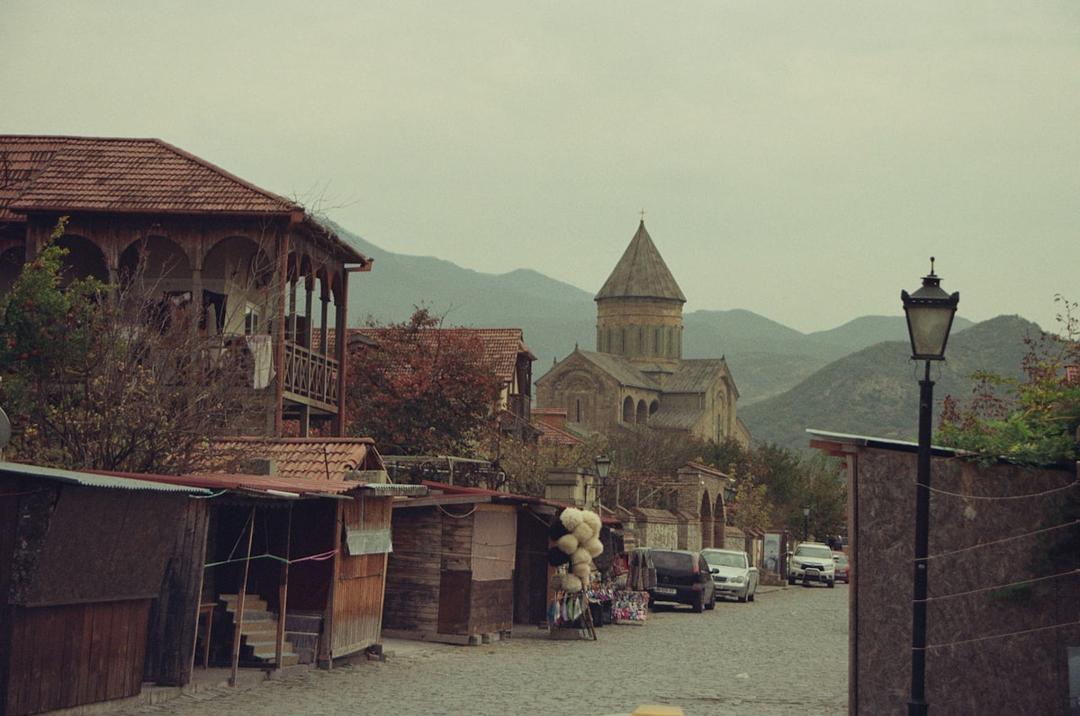
Photo by Daniel Mok on Unsplash
Margery Kempe: The Medieval Pilgrim
historical figure
Time period: 14th-15th century CE
An English laywoman whose dramatic pilgrimages and mystical experiences produced the first autobiography in the English language.
Associated traditions: Christianity
Margery Kempe, born around 1373 in Bishop’s Lynn (modern King’s Lynn), Norfolk, was the daughter of a prosperous town official, the wife of a burgess, and the mother of fourteen children. She was also a mystic, a pilgrim, and the author of what is generally regarded as the first autobiography written in English. Her Book, dictated to scribes because she was illiterate, records a life of extraordinary spiritual intensity played out against the backdrop of late medieval English society — a life that took her on pilgrimages to Jerusalem, Rome, Santiago de Compostela, and numerous other sacred sites across Europe and the Holy Land.
Her spiritual awakening followed a severe mental crisis after the birth of her first child, during which she experienced terrifying visions of demons. Recovery came through a vision of Christ, which initiated a lifelong pattern of intense mystical experiences including visions, voices, and episodes of uncontrollable weeping that she understood as divine gifts but that many of her contemporaries found deeply disturbing. The weeping in particular — loud, sustained, and occurring during church services and at sacred sites — generated reactions ranging from reverent awe to furious hostility throughout her travels.
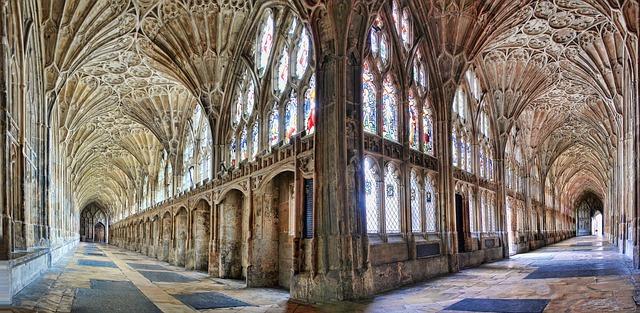
Margery’s first major pilgrimage, to Jerusalem in 1413–1414, involved an overland journey through Germany and Italy to Venice, followed by a sea crossing to Jaffa and the arduous overland trip to the Holy City. The journey tested her both physically and socially. Her fellow pilgrims, irritated by her constant weeping, her refusal to eat meat, and her insistence on discussing religious topics at meals, attempted to abandon her at several points. She traveled portions of the route alone or with temporary companions, relying on the charity of strangers and, she believed, the direct intervention of divine providence.
In Jerusalem, Margery’s mystical experiences reached their peak intensity. At the Church of the Holy Sepulchre, standing at the site of the Crucifixion, she experienced what she described as a complete emotional and physical collapse, crying and screaming in response to a vivid interior vision of Christ’s suffering. This episode marked the beginning of the “gift of tears” that would characterize the rest of her spiritual life — a form of mystical expression with precedents in figures like Mary Magdalene and contemporary continental mystics like Bridget of Sweden, but one that proved uniquely controversial in the English context.
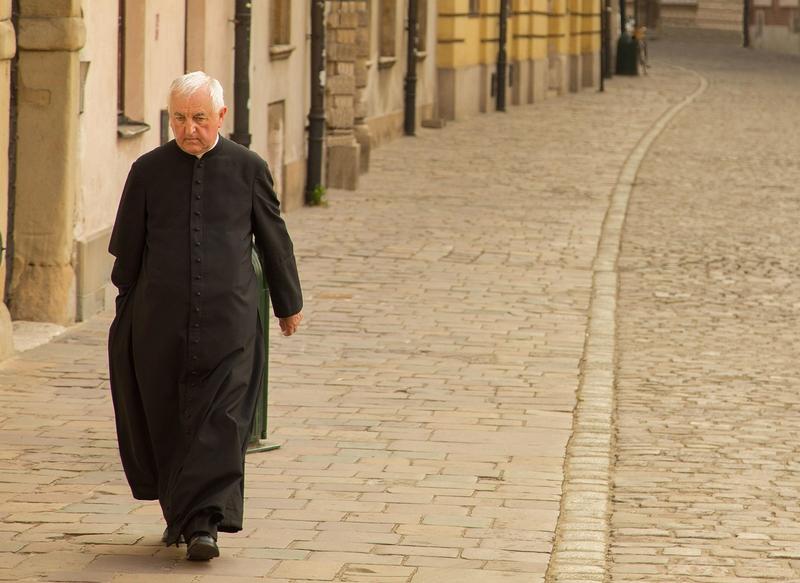
A medieval European cobblestone street with a gothic church in the distance
After Jerusalem, Margery traveled to Rome, where she spent several months living in poverty among the city’s community of foreign pilgrims. She later undertook pilgrimages to Santiago de Compostela, to Wilsnack in Germany (site of a blood miracle), and to various English shrines. Each journey generated both spiritual experiences and social conflict, as Margery’s unconventional behavior — wearing white clothing usually reserved for virgins, weeping loudly during sermons, claiming direct conversations with Christ — challenged social and ecclesiastical norms.
Margery Kempe’s pilgrimages took place during one of medieval Christianity’s most turbulent periods. The Great Schism (1378–1417) had divided Western Christendom between rival popes in Rome and Avignon. The Lollard movement, inspired by John Wycliffe, challenged fundamental Catholic doctrines including transubstantiation, clerical celibacy, and pilgrimage itself. Margery was interrogated multiple times on suspicion of Lollardy — her lay preaching and unconventional piety made her a target — and her Book records several encounters with ecclesiastical authorities that she navigated with a combination of theological knowledge, social skill, and what she presented as divine guidance.
The social dynamics of medieval pilgrimage emerge vividly from Margery’s account. Pilgrims traveled in groups for safety, and these groups functioned as temporary communities with their own hierarchies, tensions, and negotiations. Margery’s fellow travelers found her behavior alternately inspiring and intolerable, and the repeated conflicts she describes reveal the stresses of prolonged communal travel under difficult conditions. Her account demonstrates that medieval pilgrimage was not merely a spiritual exercise but a complex social experience in which questions of authority, gender, class, and personality played out daily.
Margery’s mystical experiences place her within a tradition of female visionary piety that flourished in the late medieval period. Figures like Julian of Norwich (whom Margery visited and consulted), Bridget of Sweden, Catherine of Siena, and Hildegard of Bingen had established precedents for women’s claims to direct divine communication. Margery’s contribution to this tradition is distinctive in its combination of mystical intensity with practical worldliness — she negotiated with bishops, managed financial affairs, arranged travel logistics, and navigated hostile social situations with a resourcefulness that complicates any image of the medieval mystic as a withdrawn contemplative.
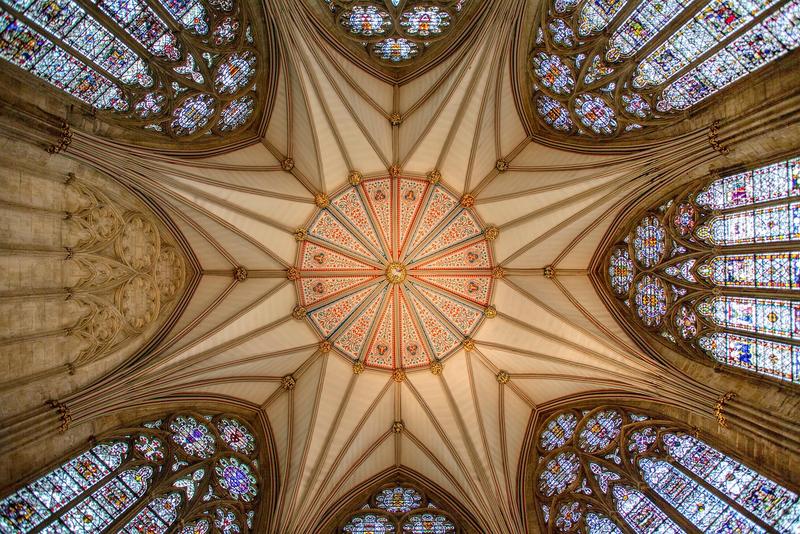
York Minster
The relationship between pilgrimage and gender in Margery’s experience illuminates broader patterns. Female pilgrims faced challenges that male pilgrims did not: vulnerability to sexual assault, suspicion of sexual impropriety (a woman traveling without her husband invited gossip), and the physical demands of travel compounded by the limitations imposed by contemporary dress and social expectations. Margery negotiated these challenges with varying success, and her account provides one of the most detailed records of a medieval woman’s experience of the pilgrimage road.
The Book of Margery Kempe, lost for centuries, was rediscovered in 1934 in the library of a private family in Lancashire. Its identification as the first autobiography in English — predating by decades any comparable first-person narrative in the language — made it an immediate object of scholarly interest. The text has since become a canonical document in medieval studies, women’s history, literary history, and the study of mysticism.
Margery’s legacy for pilgrimage studies lies in the unprecedented intimacy of her account. While other medieval pilgrim texts describe routes, sites, and liturgies, Margery describes the interior experience of pilgrimage: the emotional impact of standing at the Holy Sepulchre, the loneliness of traveling among hostile companions, the physical discomfort of sea travel, the anxiety of running out of money in a foreign city. Her account reveals pilgrimage as a total human experience, engaging body, emotion, social identity, and spiritual aspiration simultaneously.
The scholarly response to Margery has evolved considerably since the Book’s rediscovery. Early assessments tended to pathologize her experiences — the weeping was attributed to hysteria, the visions to mental illness. More recent scholarship has situated her experiences within the context of medieval mystical theology and affective piety, recognizing that her behavior, while extreme, operated within recognized spiritual categories. The shift in scholarly interpretation reflects broader changes in how academia approaches religious experience, gender, and the relationship between the normal and the extraordinary in historical cultures.
Margery Kempe remains a figure who resists comfortable categorization. She was a mystic who was also a pragmatic businesswoman. She was a devoted wife who negotiated a chastity agreement with her husband. She was illiterate yet produced one of the most significant texts in the English literary tradition. She was a pilgrim who found holiness not in withdrawal from the world but in sustained, often conflictual engagement with it. Her story suggests that pilgrimage, at its most intense, is not an escape from ordinary life but an amplification of it — a practice that magnifies both the sacred and the mundane dimensions of human experience.
- Jerusalem Old City — The site of Margery’s most intense mystical experiences
- Rome and the Vatican — Where Margery lived among the foreign pilgrim community
- Camino de Santiago — One of Margery’s pilgrimage routes
- Christian Pilgrimage Traditions — The tradition within which Margery traveled
This article is part of our guide to Rome and the Vatican: The Eternal Pilgrimage City.
More on Christian Pilgrimage
- Lourdes — Place
- St. Olav’s Way — Route
- Via Francigena — Route
- Egeria: The First Pilgrim Writer — Story
- Helena and the True Cross — Story
- The Legend of Saint James — Story
- History of Christian Pilgrimage — Context