
Where faith meets
the open road
Pilgrimage has drawn humans to sacred places for millennia. We trace the routes, uncover the history, and explore the sites where tradition, geography, and devotion converge.
Deep dives into sacred travel
Christian Pilgrimage Traditions
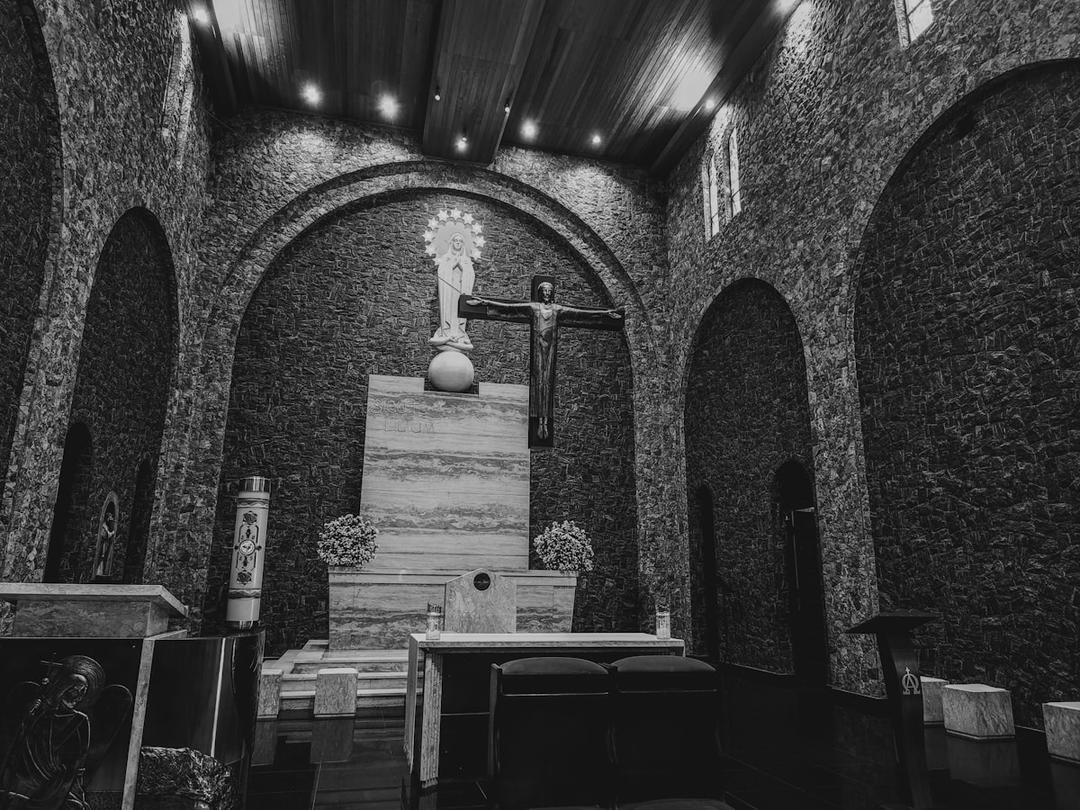
An exploration of Christian pilgrimage practices from early sacred journeys to diverse modern traditions.
Faith-Based Journeys and Pilgrimages
An introduction to pilgrimage across cultures, exploring why humans undertake sacred journeys.
Browse by content type
Sacred Places
Destinations where faith, history, and geography converge
3 articlesPilgrimage Routes
Ancient paths walked by millions across centuries
1 articleStories & Legends
The people, traditions, and narratives behind the sites
1 articleHistorical Context
Background that illuminates the world of pilgrimage
1 articleRecently published
The Legend of Saint James
The traditional narrative surrounding the apostle James and the origins of the Santiago de Compostela pilgrimage.
History of Christian Pilgrimage
An overview of the development of pilgrimage practices within Christian traditions from antiquity to the present.
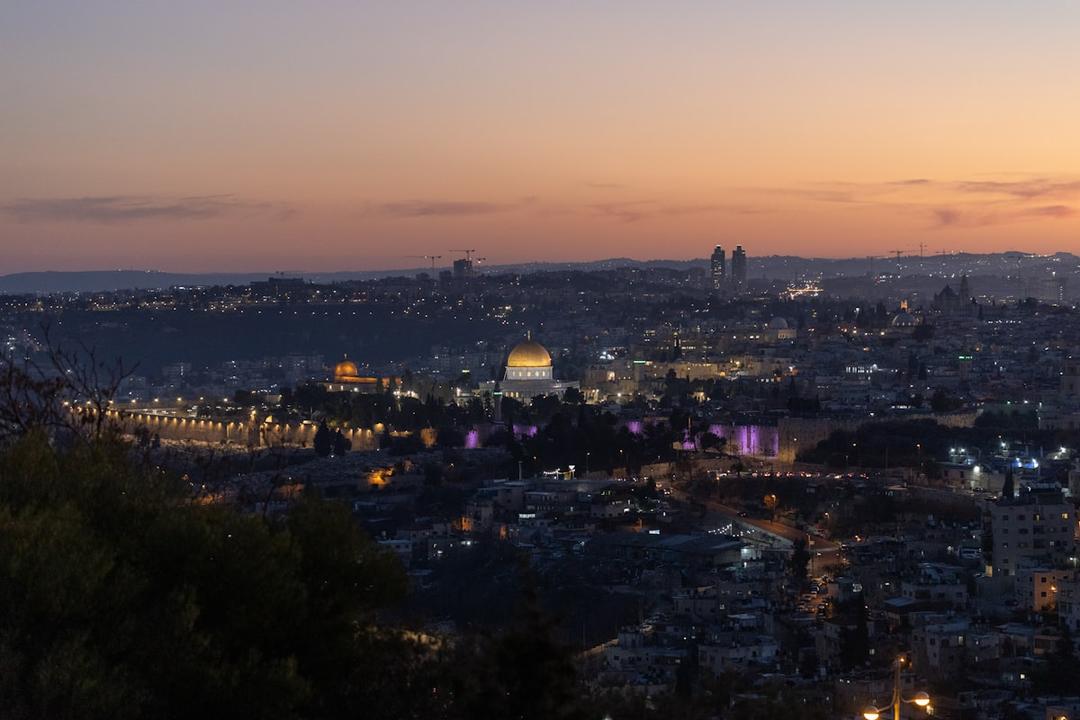
Jerusalem Old City
The walled heart of Jerusalem, sacred to Christianity, Judaism, and Islam since antiquity.
Jerusalem
The ancient city sacred to Judaism, Christianity, and Islam, and the original destination of Christian pilgrimage since the fourth century.
Santiago de Compostela
The cathedral city in Galicia housing the shrine of Saint James, destination of the Camino.
Camino de Santiago
The network of pilgrimage routes crossing Europe to reach the shrine of Saint James in Santiago de Compostela, walked continuously for over a thousand years.
What we do
Digging Scriptures examines pilgrimage as a human phenomenon — where people have traveled, why they undertook these paths, and how sacred travel has developed across traditions and centuries. The approach is descriptive and historical, grounded in evidence and respectful of all faith traditions.
We cover Christianity, Judaism, Islam, Buddhism, Hinduism, and indigenous practices with equal scholarly rigor. Every article distinguishes documented history from tradition, names its sources, and lets readers form their own conclusions.