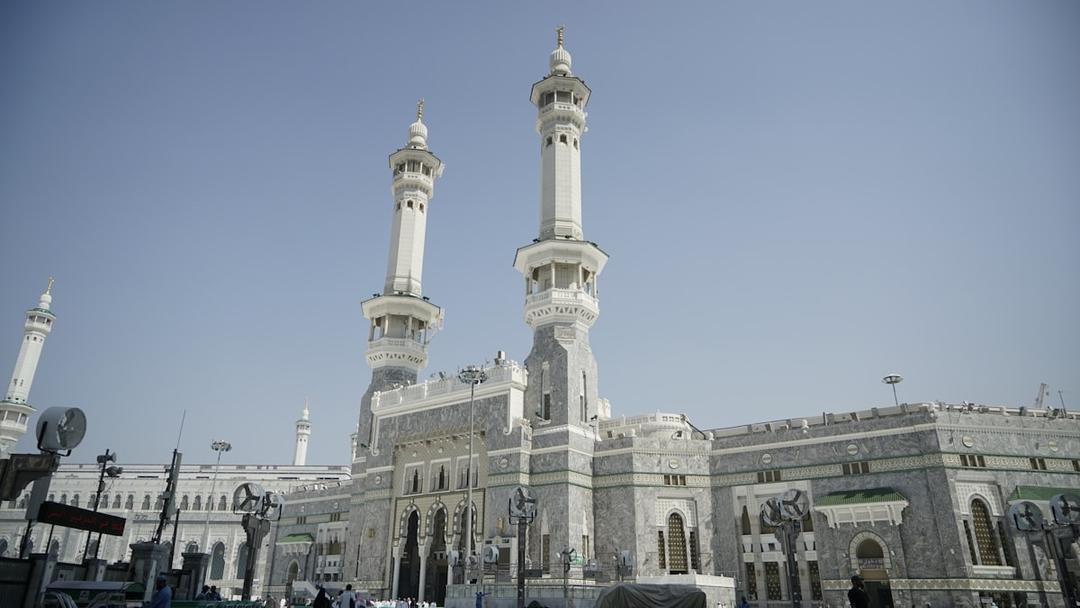
Planning Your Hajj or Umrah
A practical guide to Hajj and Umrah — Saudi visa process, ihram requirements, ritual sequence, Medina extension, health tips, and what to expect.
The Hajj is the most logistically complex pilgrimage in the world. Over two million people converge on a single city during five designated days, performing identical rituals in sequence across multiple sites spread over 20 kilometers. The Saudi government manages every aspect — visas, accommodation, transport, crowd flow — through a system that has been refined over decades but still demands serious advance preparation from every pilgrim.
Umrah, the lesser pilgrimage, can be performed year-round and involves simpler logistics, but still requires understanding of Saudi entry procedures, ritual requirements, and the physical demands of performing tawaf and sa’i in a mosque that holds two million people.
This guide covers the practical preparation that every pilgrim — first-time or returning — needs to navigate the journey successfully.
Hajj vs. Umrah: Understanding the Difference
The Hajj is obligatory for every Muslim who is physically and financially able. It takes place during the 8th through 12th of Dhul Hijjah, the final month of the Islamic calendar. The dates shift roughly 11 days earlier each Gregorian year. The rituals span five days and include sites in Mecca, Mina, Arafat, and Muzdalifah.
Umrah can be performed at any time and involves only the rituals within the Grand Mosque compound — tawaf (circling the Kaaba) and sa’i (walking between Safa and Marwa). It takes a few hours to a few days depending on crowd levels. Many Muslims perform Umrah as a first encounter with the holy city before undertaking the full Hajj.
Both require entering the state of ihram — a spiritual and physical state of consecration marked by wearing specific white garments and observing certain prohibitions.
The Visa Process
Hajj visas are issued through a quota system. Each country receives an allocation of Hajj visas based on its Muslim population. In the United States, approximately 12,000 Hajj visas are available annually. You must apply through a Saudi-authorized Hajj travel agency in your home country. The process typically opens 4-6 months before the Hajj season. Packages range from $5,000 to $15,000+ depending on accommodation tier, proximity to the Grand Mosque, and services included.
Requirements include a valid passport (six months validity), completed application forms, proof of vaccination (meningitis ACWY is mandatory; COVID-19 requirements vary by year), and — for women under 45 traveling without a male guardian — documentation confirming group travel arrangements. First-time applicants typically receive priority.
Umrah visas are far simpler since the introduction of the Saudi e-visa system. Citizens of many countries can obtain an electronic visa online that permits Umrah alongside tourism. The e-visa costs approximately $120-160 and allows a stay of up to 90 days. Some nationalities still require a dedicated Umrah visa through an authorized agency. Check the current requirements for your passport at the Saudi Ministry of Foreign Affairs website.
Ihram: The Sacred State
Entering ihram is the first ritual act of both Hajj and Umrah. The pilgrim enters this state at designated boundary points called miqat before reaching Mecca.
For men: ihram garments consist of two unstitched white cloths — one wrapped around the waist (izar) and one draped over the left shoulder (rida). No underwear, socks, or closed-toe shoes. Sandals that expose the toes and ankles are standard.
For women: there is no specific garment requirement beyond modest dress that covers the body. Women should not cover their faces or hands during ihram, though a head covering is required.
While in ihram, the following are prohibited: cutting hair or nails, wearing perfume or scented products, engaging in sexual relations, hunting or killing animals, arguing or fighting, and — for men — wearing stitched clothing or covering the head. These prohibitions lift when ihram is formally ended after specific ritual stages.
Prepare physically before entering ihram. Shower, trim nails, apply unscented deodorant, and ensure your ihram garments are clean. Many pilgrims enter ihram at their departure airport or at the miqat. Airlines serving Jeddah and Medina often announce the miqat boundary during flight so pilgrims can prepare.
The Hajj Ritual Sequence
Understanding the sequence before arrival prevents confusion during the most physically and spiritually demanding days.
Day 1 (8th Dhul Hijjah): Travel from Mecca to Mina. Pray and rest in the tent city. Mina is a vast encampment of over 100,000 climate-controlled tents organized by country and Hajj agency. Your agency assigns your tent. This is a day of preparation and prayer.
Day 2 (9th Dhul Hijjah — Day of Arafat): Travel from Mina to the plain of Arafat. Stand in prayer and supplication from noon until sunset. This is the spiritual climax of the Hajj — scholars say that missing Arafat means missing the Hajj entirely. After sunset, travel to Muzdalifah, where pilgrims sleep under the open sky and collect small stones for the next day’s stoning ritual.
Day 3 (10th Dhul Hijjah — Eid al-Adha): Return to Mina. Stone the largest pillar (Jamarat al-Aqaba) with seven pebbles. Sacrifice an animal (typically arranged through your Hajj agency — you pay and they handle the logistics). Shave or trim your hair. Partial exit from ihram. Travel to Mecca to perform Tawaf al-Ifadah (the obligatory circumambulation) and sa’i. Return to Mina.
Days 4-5 (11th-12th Dhul Hijjah): Stone all three pillars in Mina with seven pebbles each, in sequence from smallest to largest. Pilgrims may leave after stoning on the 12th (if departing before sunset) or stay for a third day of stoning on the 13th.
Farewell Tawaf: Before leaving Mecca, perform a final circumambulation of the Kaaba.
Medina Extension
The vast majority of Hajj pilgrims extend their journey to Medina, home of the Prophet’s Mosque. Visiting Medina is not a Hajj requirement but is considered highly meritorious. Most Hajj packages include Medina — typically 3-4 days either before or after the Hajj rituals.
The Prophet’s Mosque is open 24 hours. Praying in the Rawdah — the area between the Prophet’s tomb and his pulpit, considered one of the gardens of paradise — requires patience. Lines form constantly and access windows are limited. Early morning (after Fajr prayer) offers the shortest waits.
Ziyarat tours in Medina visit the historical sites surrounding the mosque: the battlefields of Uhud and Badr, the Quba Mosque (the first mosque in Islam), the Qiblatain Mosque, and the Seven Mosques. These can be covered in a half-day tour.
Health and Physical Preparation
The physical demands of Hajj are significant and frequently underestimated. You will walk 10-20 kilometers per day on hard surfaces in extreme heat, often in crowds dense enough to restrict movement. Tawaf alone — seven circuits of the Kaaba — covers approximately 3.5 kilometers, and the sa’i adds another 3.5 kilometers.
Begin a walking program at least eight weeks before departure. Build to 10-15 kilometers per day on hard pavement. Practice walking in your ihram sandals to avoid blisters.
Heat management is critical. Mecca during Hajj season can exceed 45°C. Carry water at all times. Use an umbrella for shade. Rest during the hottest hours when possible. Heat exhaustion and heatstroke are genuine risks — know the symptoms and seek medical help immediately if you experience them.
Vaccinations: meningitis ACWY vaccine is mandatory for all Hajj and Umrah pilgrims. Additional recommended vaccines include influenza, hepatitis A and B, and typhoid. The Saudi Ministry of Health publishes updated requirements each year.
Medications: bring sufficient supplies of any prescription medication in original containers with a doctor’s letter. Pharmacies are available in Mecca and Medina but may not stock your specific medication. Over-the-counter pain relief, anti-diarrheal medication, electrolyte packets, and sunscreen are essential.
Budget
Hajj costs vary enormously depending on your home country and the package tier selected.
Economy packages ($5,000-8,000 from the US) include shared accommodation in tents at Mina and budget hotels in Mecca and Medina, typically 15-30 minutes’ walk from the Grand Mosque. Transport is by bus. Meals are basic.
Standard packages ($8,000-12,000) provide closer hotel accommodation, smaller shared rooms, and better transport. Some include guided ziyarat in Medina.
Premium packages ($12,000-20,000+) offer private rooms, hotels overlooking the Haram, air-conditioned transport, and premium tent placement at Mina and Arafat.
Umrah costs are significantly lower — flights plus accommodation and visa typically run $1,500-4,000 depending on duration, season, and hotel proximity to the Grand Mosque.
Connecting to the Wider Pilgrimage
The Hajj connects to a pilgrimage tradition as old as the patriarch Ibrahim, whose story the rituals reenact. Understanding the five pillars and the Hajj’s place within Islam provides theological context that transforms the physical rituals into spiritual practice.
Ibn Battuta, the fourteenth-century scholar-traveler, began his legendary 30-year journey as a Hajj pilgrim — a reminder that the Hajj has always been both a religious obligation and a gateway to the wider world.
Jerusalem — Islam’s third holiest city — is a natural extension for pilgrims who have completed the Hajj. Many combine the two journeys, connecting the sacred geography of Arabia to the Levantine landscape where Ibrahim, Musa, and Isa walked. The triangulation of Mecca, Medina, and Jerusalem creates a pilgrimage circuit that spans the full breadth of Islamic sacred geography.
Experiences and Tours
Private Guided Spiritual Ziyarat Tour of Madinah — From $100 · ★ 4.9 (97 reviews)
Half - Day Tour in Prophet Mohammed City — From $149 · ★ 5.0 (7 reviews)
Madinah Islamic Heritage Tour — From $140 · ★ 5.0 (5 reviews)