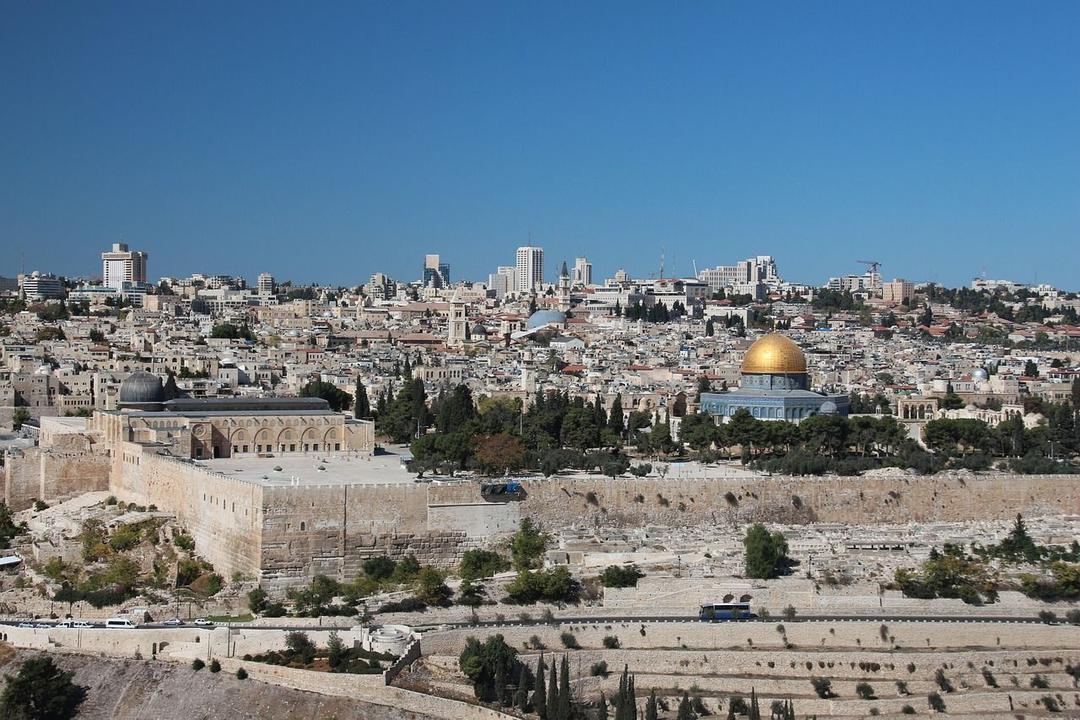
Image by Buecherwurm_65 on Pixabay
From Ruins to Revelation What can Biblical Archaeology Teach us
Over centuries, **biblical archaeology** has unearthed **fascinating** insights into the **life** and times of ancient civilizations.
From Ruins to Revelation What can Biblical Archaeology Teach us is a theological subject that explores the intersection of faith traditions and historical evidence.
This topic is part of our research on faith and history.
Over centuries, biblical archaeology has unearthed fascinating insights into the life and times of ancient civilizations. By exploring the remnants of past societies, we can glean valuable lessons about our own cultural and historical evolution. One particularly intriguing discovery that sheds light on our human nature is the study of Coins Illustrating the Book of Revelation, providing a unique perspective on ancient beliefs and practices. By exploring biblical archaeology, we initiate on a journey of self-discovery and reflection, unraveling the mysteries of our shared human experience.
Key Takeaways:
-
Biblical archaeology sheds light on ancient cultures: By examining artifacts and ruins, biblical archaeology provides insights into the lives, customs, and beliefs of ancient civilizations mentioned in the Bible.
-
Connection between past and present: Studying biblical archaeology helps us understand the historical context of the Bible, linking past events to our present-day culture and beliefs.
-
Importance of preservation and interpretation: Biblical archaeology emphasizes the significance of preserving historical sites and artifacts for future generations, as well as the need for careful interpretation to avoid misrepresenting the past.
Unearthing the Past
Key Archaeological Discoveries
There’s a profound mystical allure to uncovering the past buried beneath layers of earth and time. From the unearthed city of Pompeii frozen in the moment of destruction by the eruption of Mount Vesuvius, to the biblical city of Jericho with its ancient walls tumbling down, each discovery offers a window into the lives and civilizations of our ancestors.
Dating Methods and Technology
Any serious study of biblical archaeology researchs into the fascinating field of dating methods and technology used to decipher the chronology of ancient artifacts and sites. From carbon dating to dendrochronology, these methods have revolutionized our understanding of the timelines and connections between different archaeological finds, allowing us to piece together the puzzle of the past with incredible precision.
An in-depth look at dating methods and technology reveals the intricate processes involved in establishing the age of an object or site. By analyzing isotopes, examining layers of sediment, and employing cutting-edge imaging techniques, archaeologists can pinpoint the origins and historical significance of each discovery.
Interpreting Ancient Texts
Correlating Artifacts with Scripture
Not just mere objects of the past, artifacts unearthed in archaeological digs hold the key to revealing the stories and narratives contained within the pages of ancient texts. By matching artifacts with descriptions found in scriptures, archaeologists can provide concrete evidence of the events and people mentioned in the Bible. This correlation between physical evidence and written accounts sheds light on the historical accuracy and reliability of ancient texts.
The Impact of Translation and Context
Correlating ancient texts with artifacts is only part of the puzzle. The impact of translation and context cannot be overlooked when interpreting biblical texts. It is critical to understand that the original language and cultural context in which these texts were written play a significant role in grasping their true meaning. A slight mistranslation or misinterpretation can have dangerous consequences, leading to misrepresented beliefs and teachings. However, when approached with care and accuracy, translations enriched by historical and cultural context can provide profound revelations about our past.
Societies Behind the Stories
Daily Life in Ancient Times
To truly understand a society, one must probe into the intricacies of daily life. From the simple joys of family gatherings to the toils of agricultural labor, daily routines shape the fabric of a civilization. Food, clothing, social structures, and entertainment all offer valuable insights into the values and priorities of ancient peoples.
Political and Religious Influences
Ancient societies were often deeply influenced by their political and religious beliefs. Rulers held immense power, shaping laws and customs that governed the lives of their subjects. Religious practices permeated every aspect of life, from birth to death. The synergy between political and religious spheres often defined the course of history for these ancient civilizations.
Ancient rulers and religious leaders commanded authority and influence that extended far beyond their physical areas. The divine right of kings and the role of priests as intermediaries between the people and the gods were pivotal in maintaining social order and stability. However, this concentration of power could also lead to abuses and corruption, ultimately contributing to the rise and fall of empires.
Lessons for the Modern World
Ethical and Moral Insights
Now, with biblical archaeology, we can glean ethical and moral insights that transcend time and culture. By examining ancient texts and artifacts, we can reflect on universal values such as justice, compassion, and honesty. These insights offer a framework for addressing contemporary ethical dilemmas and guiding personal conduct.
Cultural Identity and Continuity
Identity
Now, exploring cultural identity and continuity through biblical archaeology reveals the enduring nature of human expression and connection. From art and architecture to language and religion, archaeological findings showcase the intricate tapestry of cultures that have shaped our world. This exploration reinforces the importance of preserving and celebrating diverse cultural heritage.
Summing up
Upon reflecting on the journey through biblical archaeology, it becomes apparent that this field offers us invaluable insights into our shared human history, beliefs, and cultures. By unearthing and unraveling ancient ruins, artifacts, and manuscripts, we can piece together a more comprehensive understanding of ourselves and the world we inhabit. Through the lens of biblical archaeology, we can learn lessons about resilience, faith, innovation, and the enduring power of human spirit. It serves as a bridge connecting the past with the present, allowing us to appreciate our roots and gain a deeper appreciation for the complexities of our existence. Ultimately, biblical archaeology teaches us that by exploring our origins, we can better comprehend and navigate the complexities of our present-day societies, beliefs, and identities.
Related Research
Explore these related articles for deeper study:
- The Infamous Relics: Famous Fakes and Forgeries in Biblical
- Exploring the Connections Between Biblical Archaeology and
- Examining Fortress Vault: new Light on Biblical Archaeology
- Uncovering Ancient Trading Networks Through Biblical Archaeology
Frequently Asked Questions
What is the significance of from ruins to revelation what can biblical archaeology teach us in theological studies?
One particularly intriguing discovery that sheds light on our human nature is the study of Coins Illustrating the Book of Revelation, providing a unique perspective on ancient beliefs and practices. Scholars continue to study this subject, drawing on archaeological evidence, ancient texts, and historical analysis to refine our understanding of the ancient world.
What archaeological evidence relates to from ruins to revelation what can biblical archaeology teach us?
From Ruins to Revelation What can Biblical Archaeology Teach us is a theological subject that explores the intersection of faith traditions and historical evidence. Physical discoveries including inscriptions, pottery, and architectural remains help scholars reconstruct the historical context.
Why does from ruins to revelation what can biblical archaeology teach us matter for understanding the Bible?
By analyzing isotopes, examining layers of sediment, and employing cutting-edge imaging techniques, archaeologists can pinpoint the origins and historical significance of each discovery. By examining the archaeological and historical background, readers gain a more grounded perspective on the people, places, and events described in scripture.