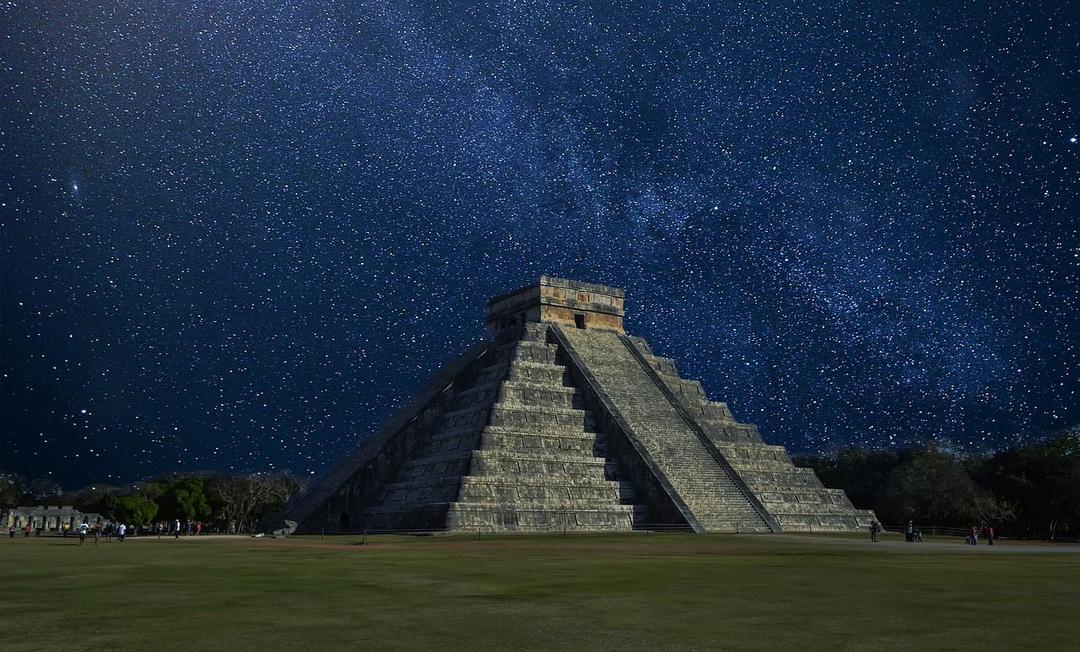
Image by Walkerssk on Pixabay
Temple Mount Chamber Network Finally Mapped
Have you ever pondered the mysteries hidden beneath the surface of the Temple Mount?. Have you ever pondered the mysteries hidden beneath the surface of.
Temple Mount Chamber Network Finally Mapped is an area of archaeological investigation that has yielded significant findings about the ancient world.
This topic is part of our research on archaeological excavations.
Have you ever pondered the mysteries hidden beneath the surface of the Temple Mount? Recent archaeological advancements have allowed scientists to finally map the intricate network of chambers hidden beneath this historically significant site. This breakthrough in our understanding provides not only a more tangible connection to biblical narratives but also sets the stage for modern theological and historical discourse.
The Temple Mount Chamber Network, an elusive labyrinth beneath Jerusalem, has long captured the imagination of scholars and laypeople alike, primarily due to its references in biblical texts and its historical significance throughout various epochs. The recent successful mapping of these chambers offers fresh insights into their potential functions, age, and their influence on religious and historical thought. This article will examine into the discovery’s context, the archaeological evidence unearthed, and the profound significance of this monumental achievement.
Discovery Context
Biblical References and Historical Background
The Temple Mount, known biblically as Mount Moriah, is a focal point of religious history. According to sacred texts, it is the site where Abraham prepared to sacrifice Isaac, where Solomon’s Temple stood, and later, where Herod’s Temple was constructed. The foundational layers of history, therefore, are rich and complex, woven into the very essence of the site.
Ancient narratives tantalizingly mention a series of chambers beneath the temple area, purported to house treasures and sacred relics. These chambers have remained largely inaccessible for centuries, steeped in legends and religious narratives that have intrigued historians and theologians alike. However, the physical geography of the location, combined with socio-political sensitivities, has historically hindered thorough explorations.
Geographic Location and Recent Findings
Located in the heart of Jerusalems Old City, the Temple Mount is a site of significant religious importance to Judaism, Christianity, and Islam. Its multifaceted history is reflected in the physical geography, which combines multiple layers of ancient developments.
Recent advancements in non-invasive archaeological techniques have paved the way for a fresh exploration of this sacred ground. Unmanned aerial vehicles, along with ground-penetrating radar and cable-suspended cameras, have facilitated a more thorough mapping of these subterranean chambers, minimizing physical disruptions. These recent methodologies have enabled a comprehensive mapping of these enigmatic chambers for the first time.
Archaeological Evidence
Specific Artifacts and Dating Methods
The mapping of the Temple Mount Chamber Network has yielded significant archaeological artifacts and insights. Among the finds are remnants of pottery, stone tools, and ancient structural supports that offer a timeline of human activity. Artifacts found in the chambers have been meticulously cataloged and dated using radiocarbon dating and other contemporary methods.
These archeological techniques have allowed for precise datings, which indicate that several of these chambers date back to the First Temple period, providing a tangible connection to the narratives described within the Old Testament. The evidence reinforces the continuity and significance of the site across millennia and showcases its evolving role throughout different historical epochs.
Physical Descriptions and Expert Interpretations
Experts have interpreted the Temple Mount Chamber Network as a multifunctional space. The chambers vary in size and design, ranging from narrow passageways to more extensive vault-like rooms. Some scholars hypothesize that these chambers were used for storage, possibly for temple treasures or ritualistic items, given their strategic location and design.
Expert interpretations of these chambers are sharply divided, with some arguing for a purely utilitarian purpose, while others suggest they may have held ceremonial significance. These varied conclusions highlight the interdisciplinary nature of archaeological interpretation, requiring the expertise of historians, theologians, and scientists.
Significance
Biblical Implications and Historical Impact
The successful mapping of the Temple Mount Chamber Network has profound implications for biblical historiography. By providing concrete evidence of structures referenced in ancient texts, these discoveries offer validation and new context to scriptural accounts that have been debated for centuries. This reinforces the historical foundations of religious traditions, offering a deeper understanding of biblical events and practices.
From a historical perspective, the implications are equally significant. The findings provide a nuanced narrative of the social and cultural practices of the ancient civilizations that inhabited Jerusalem. These chambers serve as silent testimonies, providing insights into the engineering prowess, religious dynamics, and societal organization of these ancient communities.
Modern Understanding and Research Status
The successful mapping of these chambers represents not just a triumph in archaeological technique but also a broader triumph in cross-disciplinary understanding. These chambers now serve as a source of priceless information, opening paths for ongoing research and exploration in the fields of ancient history and religious studies.
Currently, follow-up studies are underway, aiming to analyze the artifacts found and further explore uncharted chambers. Collaborative efforts between local authorities, international scholars, and religious leaders are crucial to ensure that future excavations are conducted respectfully and responsibly, honoring the site’s profound cultural and religious significance.
Conclusion
The mapping of the Temple Mount Chamber Network marks a milestone in archaeological pursuits and religious scholarship. By shedding light on an area steeped in biblical lore and historical significance, it enriches our understanding of the ancient world. As our knowledge expands, so do the questions that drive human curiosity. Will these discoveries lead to more revelations about our past, or perhaps even shift theological or historical paradigms? Researchers continue to unravel the secrets of these chambers, and only time will reveal the full extent of their impact.
For those intrigued by these mysteries, you are encouraged to stay informed about ongoing research developments and to join dialogues that discuss the implications of these findings. Understanding our past through such discoveries not only enriches our present knowledge but serves as a guiding compass for where we seek to venture in scholarship and cultural understanding in the future.
Related Pilgrimage Guides
Related Research
Explore these related articles for deeper study:
- Unveiling the Hidden Secrets: the Latest Developments in
- Jerusalem Temple Foundations Finally Discovered
- Temple Mount Construction Secrets Unveiled
- Unveiling Temple Mount Construction Methods
Frequently Asked Questions
What is the significance of temple mount chamber network finally mapped in archaeological excavations?
Discovery Context
Biblical References and Historical Background
The Temple Mount, known biblically as Mount Moriah, is a focal point of religious history. Scholars continue to study this subject, drawing on archaeological evidence, ancient texts, and historical analysis to refine our understanding of the ancient world.
What archaeological evidence relates to temple mount chamber network finally mapped?
The foundational layers of history, therefore, are rich and complex, woven into the very essence of the site. Physical discoveries including inscriptions, pottery, and architectural remains help scholars reconstruct the historical context.
Why does temple mount chamber network finally mapped matter for understanding the Bible?
Geographic Location and Recent Findings
Located in the heart of Jerusalems Old City, the Temple Mount is a site of significant religious importance to Judaism, Christianity, and Islam. By examining the archaeological and historical background, readers gain a more grounded perspective on the people, places, and events described in scripture.