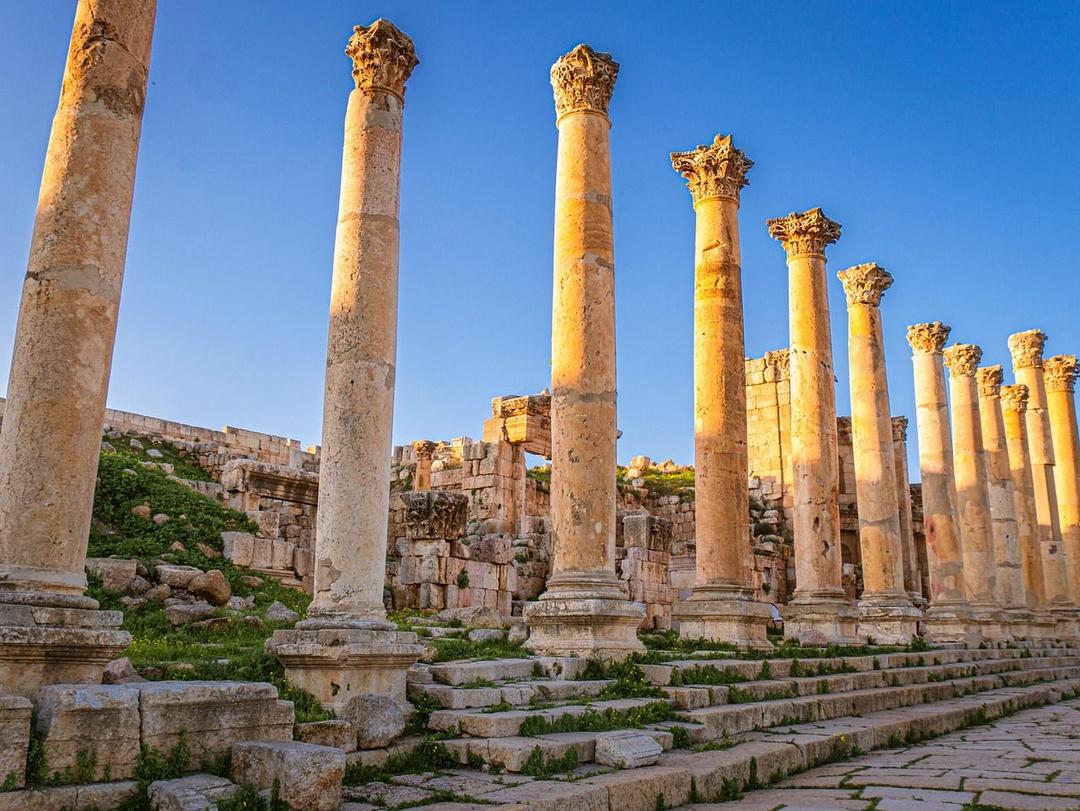
Image by ChiemSeherin on Pixabay
Modern Insights into Biblical Archaeology Discoveries
Have you ever wondered how recent archaeological discoveries have provided deeper insights into the world depicted in biblical texts?
Modern Insights into Biblical Archaeology Discoveries is a topic in biblical archaeology that connects ancient material evidence with scriptual narratives.
This topic is part of our research on biblical archaeology.
Have you ever wondered how recent archaeological discoveries have provided deeper insights into the world depicted in biblical texts? The field of biblical archaeology offers a fascinating lens through which you can explore ancient civilizations and religious history. As researchers continue to unearth artifacts, they offer you new interpretations and confirmations of events portrayed in sacred scriptures.
In this exploration of “Modern Insights into Biblical Archaeology Discoveries,” you will gain a comprehensive understanding of how these findings bridge the ancient past with contemporary scholarship. This article explores various key discoveries, examining their historical contexts, archaeological evidence, and overall significance. By focusing on these elements, you’ll appreciate the transformative power of archaeological science in understanding biblical narratives.
Discovery Context
Biblical References in Modern Discoveries
Biblical archaeology seeks to understand the world described in ancient texts through material findings. Take, for instance, the unearthing of the Dead Sea Scrolls. These manuscripts, found in the Judean Desert in the mid-20th century, have offered you invaluable insights into early Jewish practices and the evolution of biblical texts. The scrolls include texts from the Hebrew Bible that date back over two thousand years, providing a historical backbone for what the scriptures narratively portray.
Historical Background of Key Sites
To grasp how archaeological discoveries connect with biblical narratives, consider the context in which they were found. Geographically, many significant discoveries come from regions rich in biblical history, such as Israel, Palestine, and parts of the broader Near East. The city of Jericho is one such site; its walls, mentioned in the Book of Joshua, have been a focal point of archaeological research. While interpretations of evidence vary, Jericho serves as a testament to the longstanding efforts of understanding ancient urban life.
Geographic Locations of Recent Finds
Recent excavations in sites like the ancient city of Gath, believed to be the home of Goliath, continue to add layers of historical detail to biblical narratives. Situated in present-day Israel, Gath has revealed artifacts that correlate with descriptions of Philistine culture found in the Bible. These geographical areas provide crucial real-world settings for biblical events, making archaeological findings all the more significant in verifying historical accuracy.
Archaeological Evidence
Specific Artifacts Unearthed
When it comes to archaeological evidence, the specifics are as compelling as they are informative. The discovery of ancient pottery, weaponry, and inscriptions from Gath offer material culture insights that confirm certain aspects of Philistine life. These artifacts don’t merely serve as historical relics; they breathe life into stories that you have only read within a biblical context.
Dating Techniques and Methods
Dating these artifacts is essential for accuracy and credibility. Methods such as carbon dating and stratigraphy enable experts to determine the age of findings with remarkable precision. For example, the pottery found in Jericho can be dated back to specific timeframes, allowing scholars to juxtapose these dates with biblical accounts and assess their historical veracity.
Expert Interpretations
The interpretations provided by experts play a pivotal role in understanding these archaeological discoveries. Dr. Robert Mullins, a biblical archaeologist, has emphasized that while not all findings align seamlessly with scriptural accounts, they do offer nuanced insights into the lifestyles and cultures of ancient civilizations. These interpretations are indispensable as they help you navigate the intricate relationship between science, history, and scripture.
Significance of Archaeological Discoveries
Implications for Biblical Narratives
The implications of these findings on biblical narratives are profound, offering you both validation and re-interpretation. For instance, the discovery of the Pool of Siloam in Jerusalem, which dates back to the time of King Hezekiah, aligns with descriptions found in the Bible, reinforcing the understanding of its historical context.
Historical Impact Beyond Theology
Beyond their theological implications, these discoveries have an indelible impact on historical understanding. They serve as a bridge connecting ancient societal structures with modern-day interpretations. Excavations in regions like Megiddo offer insights into trade practices and governance that resonate with present-day socio-political studies.
Evolving Understanding in Modern Context
You might wonder how these archaeological endeavors influence modern biblical understanding. The ongoing research and excavation projects continually challenge your preconceptions, enabling a dynamic dialogue between past and present. As sites are discovered and analyzed, they offer evolving narratives that enrich the complexity of our shared history.
Conclusion
In summary, the field of biblical archaeology is not merely about validating religious texts but enhancing your understanding of ancient human civilization. As you consider the implications of these modern insights, the discoveries encourage a reevaluation of history, urging both scholars and laypersons to consider the intricate weave of historical and biblical narratives. The future of archaeological research holds immense potential, promising to unravel even more secrets of the past as new technologies and methodologies emerge.
By engaging with these discoveries, you are invited to contribute to a vibrant and ongoing conversation about history, faith, and the evidence that bridges the two. As these explorations continue, they serve as a reminder of the enduring intrigue and significance of our ancient past, fortifying a deeper comprehension of our collective cultural heritage.
Related Pilgrimage Guides
Related Research
Explore these related articles for deeper study:
- Exploring Biblical Archaeology: Uncovering Ancient Sites
- Unveiling Remarkable Biblical Archaeology Discoveries List
- Exploring Biblical Archaeology Discoveries
- Discovering the Bible’s Timeline: the Role of Modern Archaeology
Frequently Asked Questions
What is the significance of modern insights into biblical archaeology discoveries in biblical archaeology?
Modern Insights into Biblical Archaeology Discoveries is a topic in biblical archaeology that connects ancient material evidence with scriptual narratives. Scholars continue to study this subject, drawing on archaeological evidence, ancient texts, and historical analysis to refine our understanding of the ancient world.
What archaeological evidence relates to modern insights into biblical archaeology discoveries?
These manuscripts, found in the Judean Desert in the mid-20th century, have offered you invaluable insights into early Jewish practices and the evolution of biblical texts. Physical discoveries including inscriptions, pottery, and architectural remains help scholars reconstruct the historical context. Researchers such as Dr. Robert Mullins and King Hezekiah have contributed to this field.
Why does modern insights into biblical archaeology discoveries matter for understanding the Bible?
Historical Background of Key Sites
To grasp how archaeological discoveries connect with biblical narratives, consider the context in which they were found. By examining the archaeological and historical background, readers gain a more grounded perspective on the people, places, and events described in scripture.