Kyoto was Japan's imperial capital for over a thousand years, and the city remains the country's cultural heart. With over 2,000 temples and shrines, traditional geisha districts, and some of the finest cuisine in Japan, Kyoto rewards both the curious wanderer and the meticulous planner.
This three-day itinerary balances Kyoto's iconic sights with lesser-known gems, giving you a rich introduction to the city without the rushed feeling that often comes with short visits. We'll cover the essential temples, but also make time for quiet moments, excellent food, and the kind of serendipitous discoveries that make travel memorable.
Day 1: Eastern Kyoto & Higashiyama
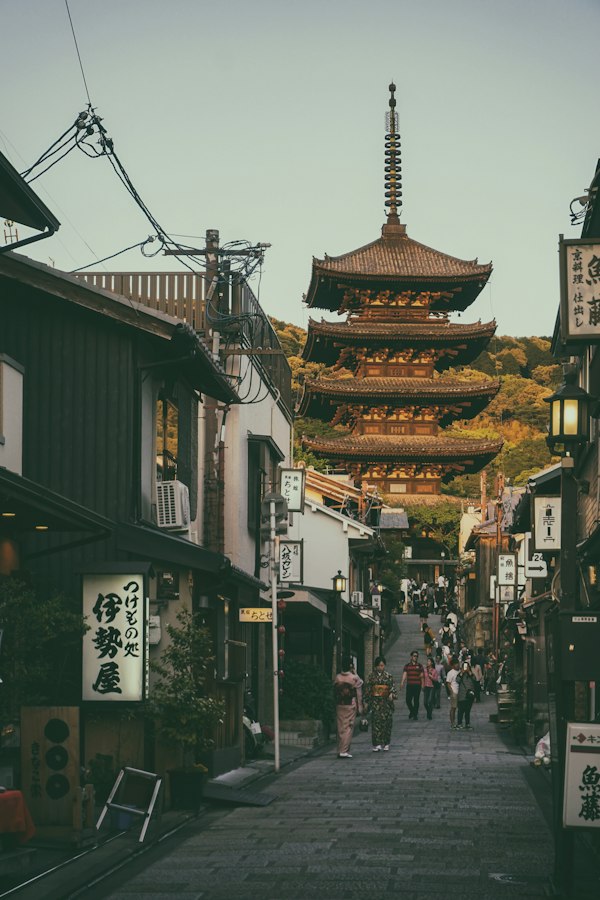
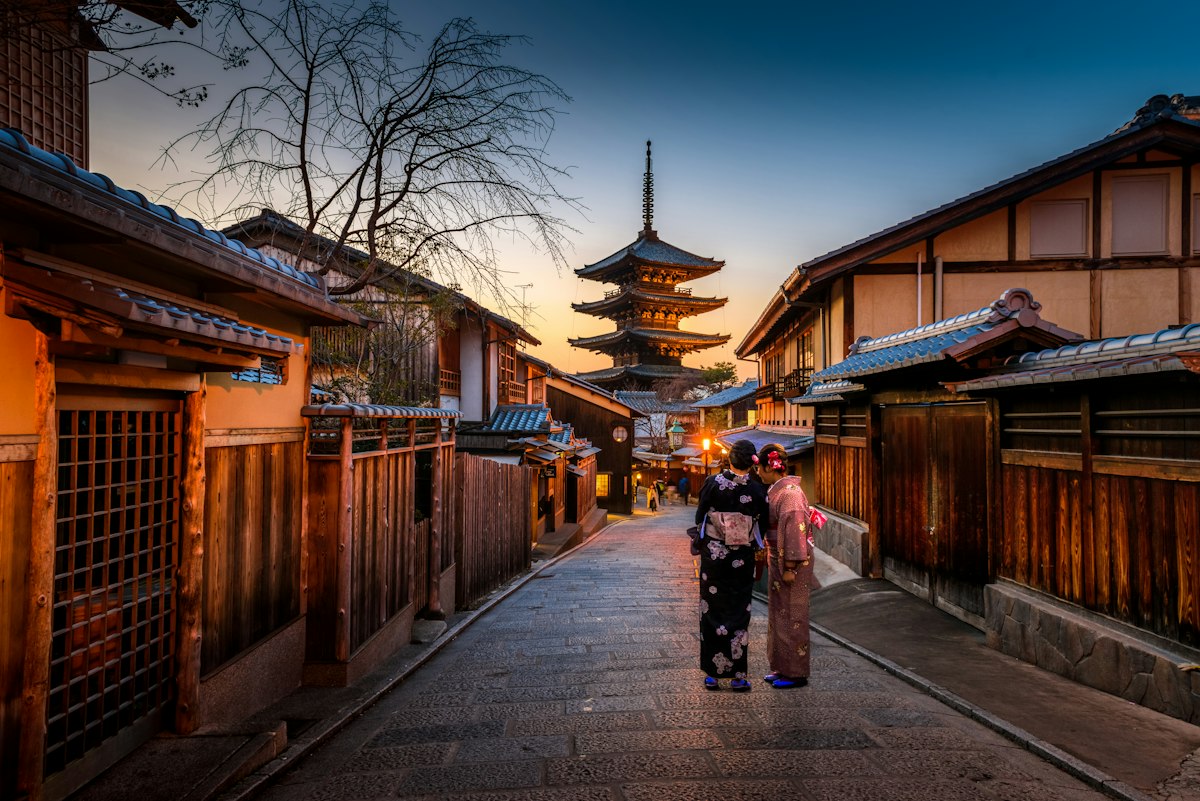
Start your Kyoto adventure in the atmospheric Higashiyama district, where narrow lanes wind between traditional wooden buildings, temples, and craft shops. This is old Kyoto at its most evocative.
Morning: Fushimi Inari Taisha
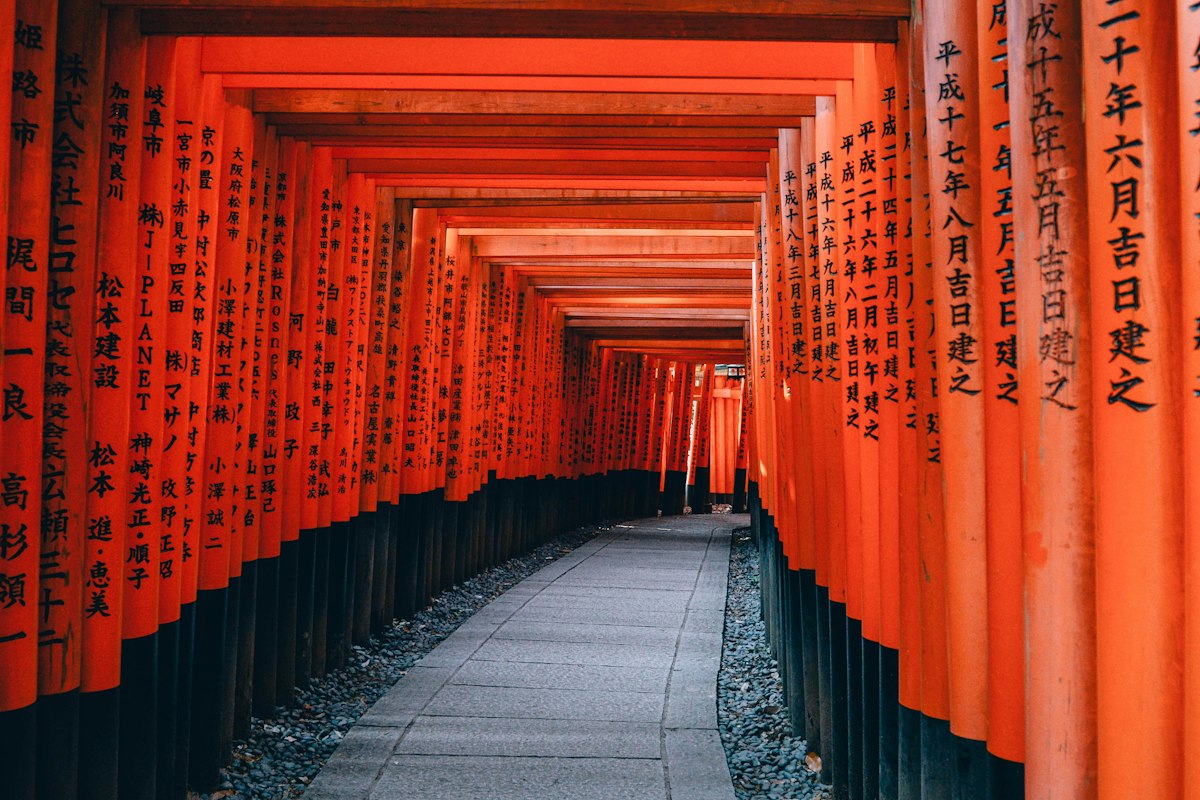
Begin early—very early if possible—at Fushimi Inari Taisha, the famous shrine with thousands of vermillion torii gates marching up the mountainside. Arriving before 7am lets you experience the ethereal atmosphere before the crowds arrive. The full hike to the summit takes about two hours, but even walking the first portion is magical.
Afternoon: Temple Circuit
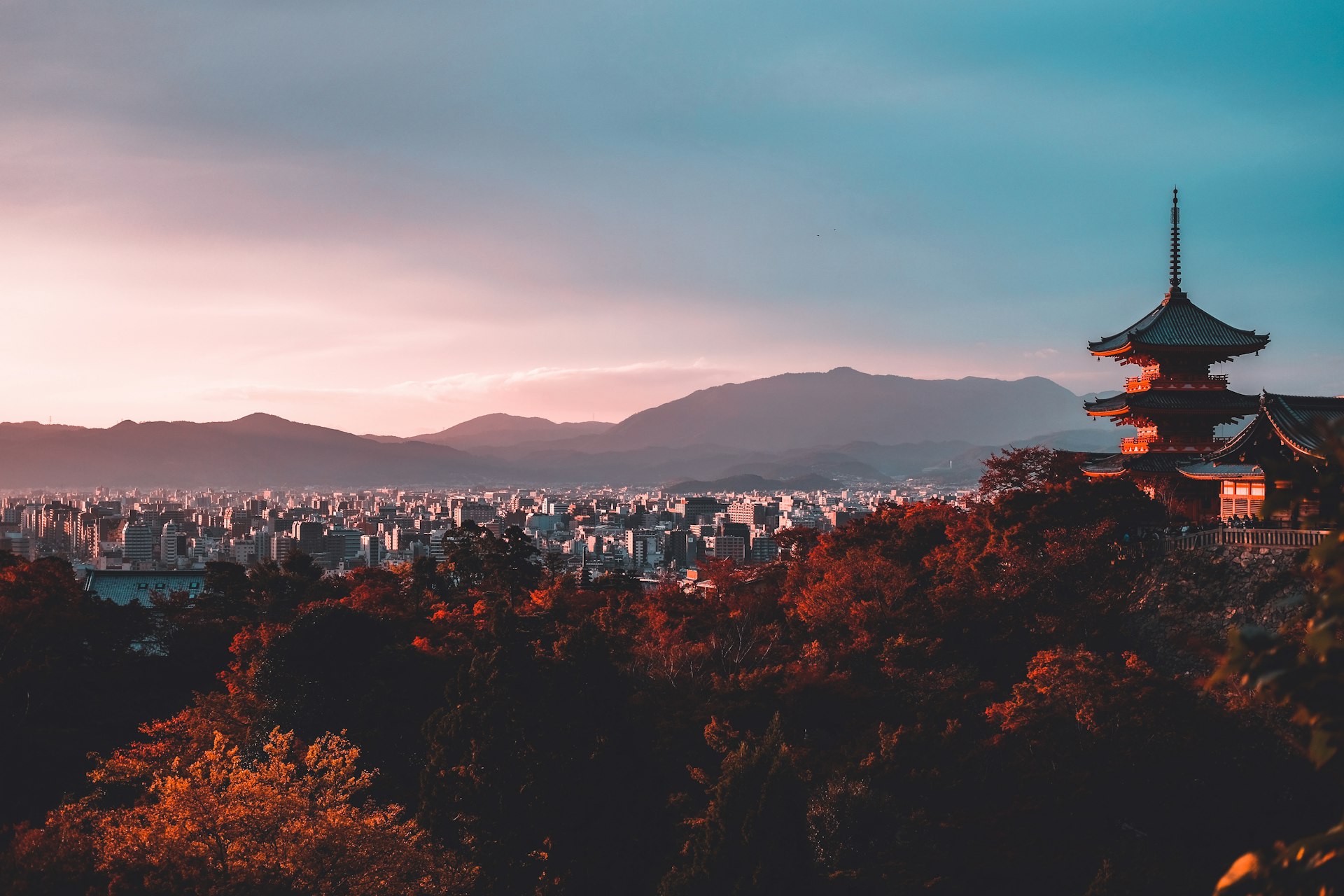
After a late breakfast, head to the Higashiyama temple circuit. Visit Kiyomizu-dera, the "Pure Water Temple" perched on a hillside with sweeping views of the city. From there, walk down the charming Ninenzaka and Sannenzaka lanes—lined with traditional shops and teahouses—toward Kodai-ji temple and eventually to the serene gardens of Nanzen-ji.
"In Kyoto, the temples are not merely buildings—they're living links to centuries of spiritual practice and artistic achievement."
Evening: Gion at Dusk
As daylight fades, make your way to Gion, Kyoto's famous geisha district. Wander Hanamikoji Street and the narrow alleys around Shirakawa Canal, where you might catch a glimpse of a maiko (apprentice geisha) hurrying to an engagement. Have dinner at one of the traditional restaurants in the area—even a simple meal feels special in this setting.
Day 2: Golden Temples & Zen Gardens
Today takes you to Kyoto's northwest, home to some of the city's most iconic sights. The golden pavilion, zen rock gardens, and bamboo groves await.
Morning: Kinkaku-ji & Ryoan-ji
Start at Kinkaku-ji, the Golden Pavilion, which gleams above its mirror-like pond. Despite the crowds, it's still breathtaking. Continue to Ryoan-ji, where you can contemplate the famous rock garden—fifteen stones arranged on raked gravel, a masterpiece of zen minimalism.
Afternoon: Arashiyama
Head to Arashiyama in the afternoon for the famous bamboo grove. Walk through the towering green stalks, visit Tenryu-ji temple with its stunning gardens, and cross the iconic Togetsukyo Bridge as the light softens.
Day 3: Hidden Kyoto
Your final day is about going deeper, finding the Kyoto that exists beyond the postcards. Visit the Silver Pavilion (Ginkaku-ji), walk the Philosopher's Path, and end with a traditional tea ceremony experience.
Morning: Philosopher's Path
Start at Ginkaku-ji (Silver Pavilion), then walk the Philosopher's Path—a canal-side trail that's especially beautiful during cherry blossom season. Stop at small temples along the way and enjoy the peaceful atmosphere.
Afternoon: Tea Ceremony
End your Kyoto journey with a traditional tea ceremony. Many temples and tea houses offer sessions for visitors, providing a meaningful way to experience the ritual that has shaped Japanese culture for centuries.
Practical Tips
- Getting around: Buy a bus day pass for ¥700—most major sights are accessible by bus
- Best season: Cherry blossom (late March–early April) and fall foliage (November) are magical but crowded
- Budget: Temple entrance fees add up—budget ¥300-600 per site
- Footwear: Comfortable walking shoes are essential; you'll cover a lot of ground
- Etiquette: Remove shoes when entering temple buildings, speak quietly, and don't photograph geisha without permission
Topics

Sarah Chen
Sarah is a travel writer and photographer who has spent years exploring Japan's hidden corners. She's based in Tokyo and contributes to publications worldwide.
View all articles →